
Honu is an interdisciplinary research group formed by leading academics and environmental innovators. The project is part of the National Science Foundation Convergence Accelerator Program.
Honu protects island water resources through effective and affordable decentralized wastewater systems that are climate resilient. Our bio-inspired technologies remove nitrogen and recycle water for onsite reuse, while our integrated services incorporate remote monitoring with machine learning.

25% U.S. Population
31M Households
In low density and rural areas, centralized sewage systems are often expensive to install and maintain. In fact, about 25% of Americans, or 31 million households, rely on onsite systems, like septic, for sanitation. Many onsite systems have limited capabilities and can easily fail, resulting in contamination of aquifers and coastlines.
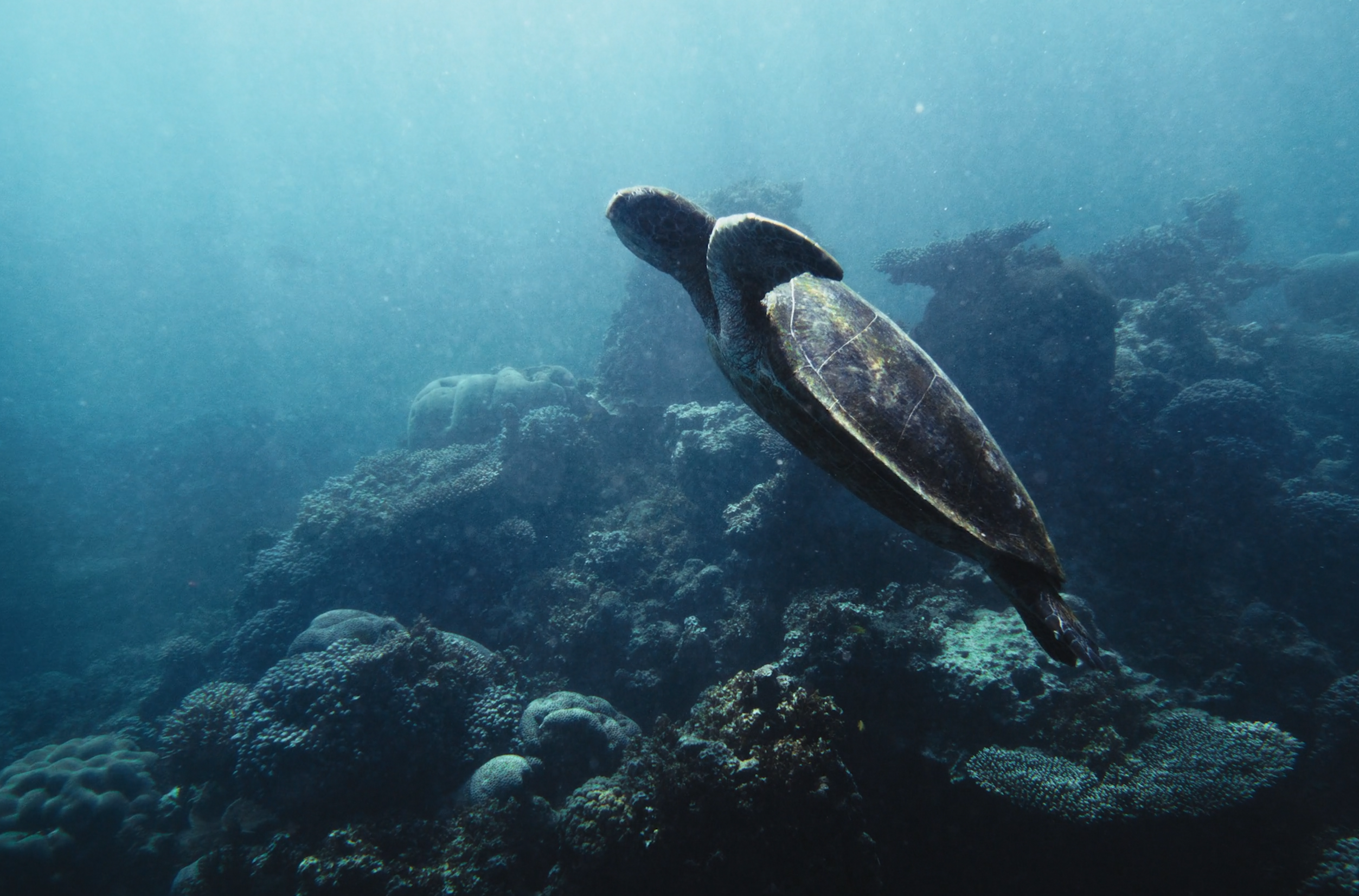
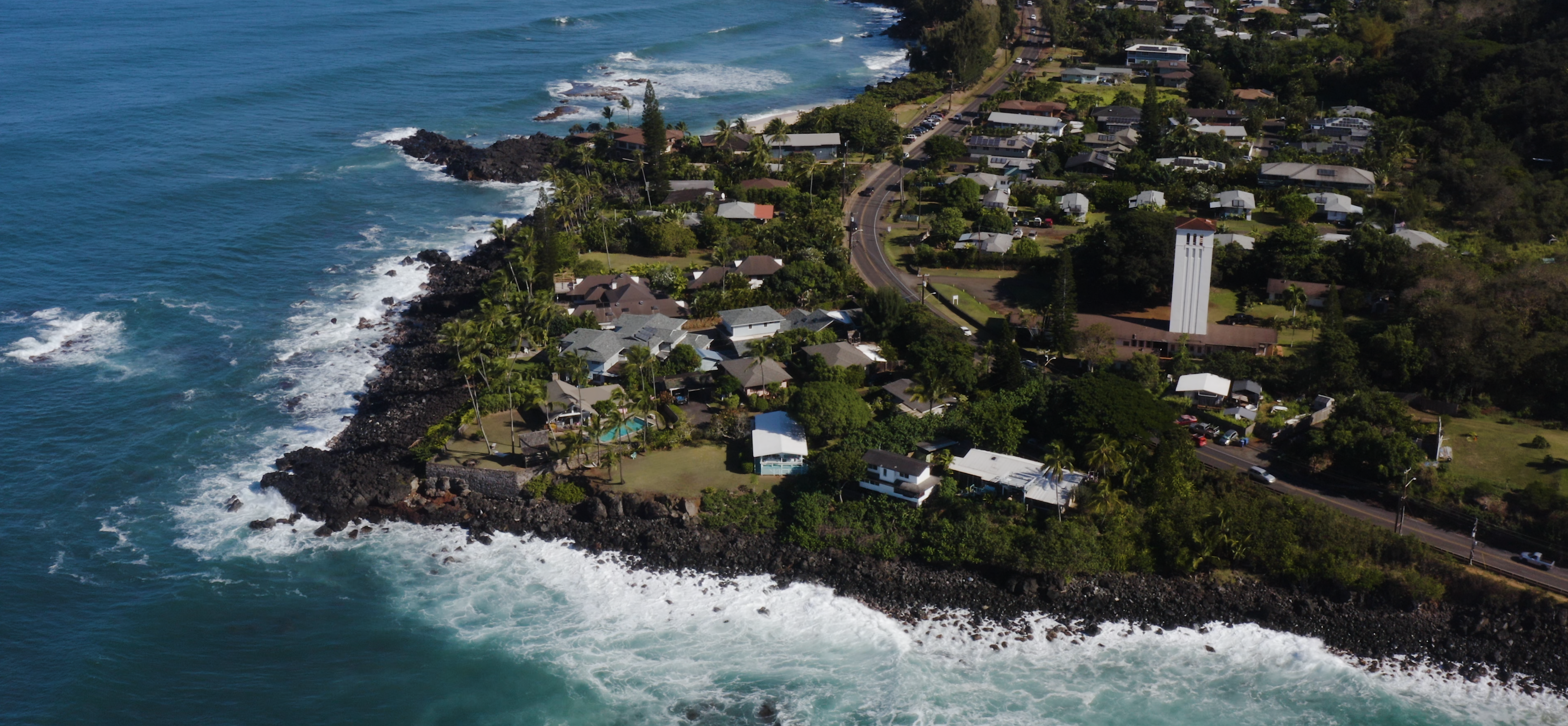
Wastewater management on islands is challenging due to high costs and infrastructure vulnerability associated with centralized systems, as well as geological constraints that limit the effectiveness of standard onsite septic systems. Consequently, US Pacific islands frequently rely on cesspools, a primitive form of onsite waste management that offers no treatment. This inadequate infrastructure, exemplified by over 83,000 cesspools in Hawaiʻi, is a persistent source of hazard. Cesspools contaminate aquifers and coastal environments, leading to the loading of nutrients and pathogens that damage fragile ecosystems like coral reefs. In short, the prevailing onsite wastewater infrastructure is grossly inadequate, threatening water supplies, marine ecosystems, and disproportionately affecting frontline communities.
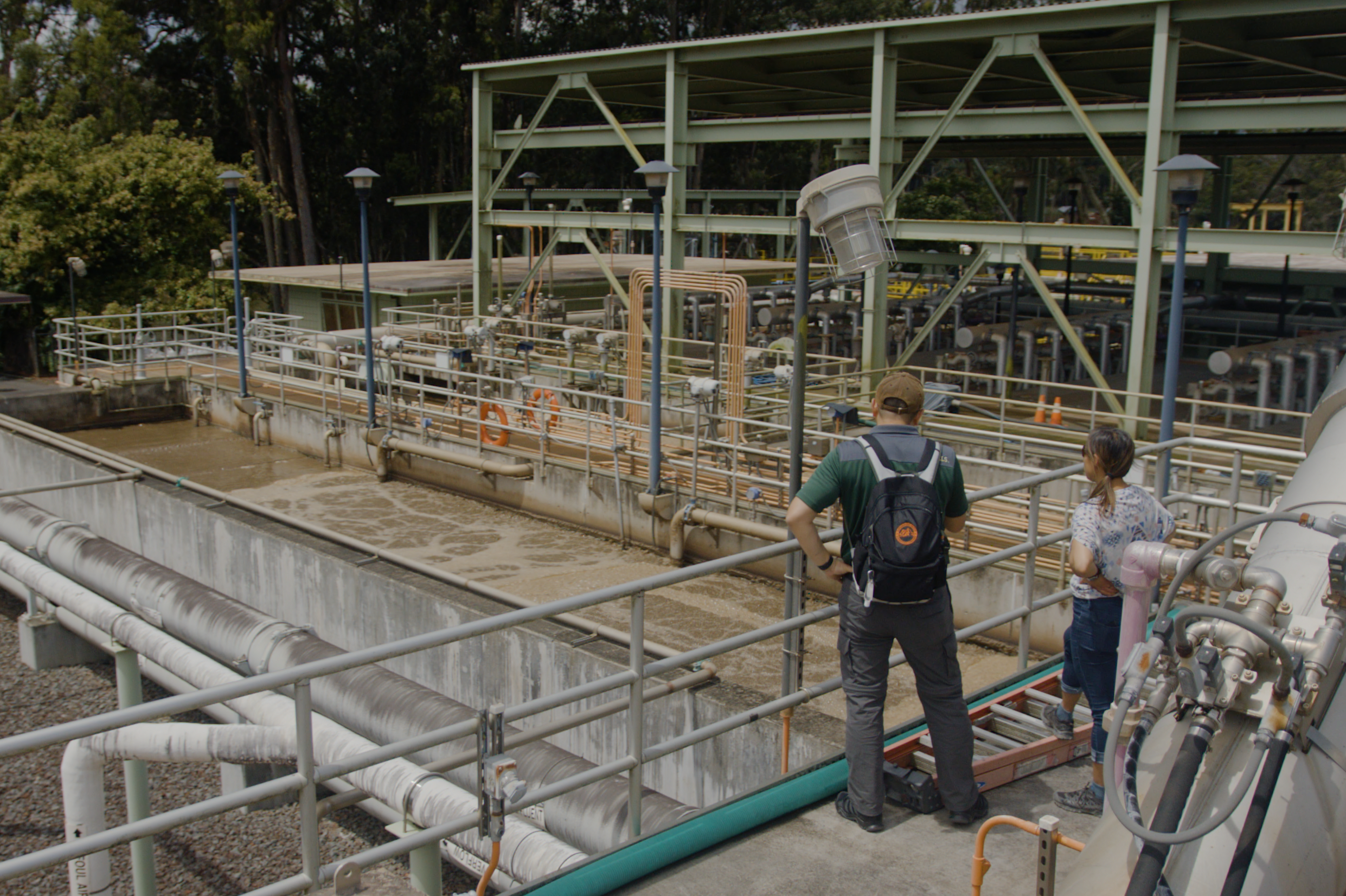
Centralized wastewater systems are expensive to install and operate, with aging, inflexible underground infrastructure that is ill-suited to rapidly changing conditions and population growth. Similarly, conventional onsite systems, such as septic tanks, offer limited performance and have rigid requirements concerning lot size, soil conditions, and topography. Given the shortcomings of both centralized and conventional onsite systems, there is a clear need for a new class of advanced decentralized technologies to address sanitation challenges, especially in island communities. These required technologies must be flexible and adaptive to meet both present and future needs. This new class of solutions, referred to as Adaptive Decentralized Wastewater Infrastructure Solutions (ADWIS), could provide service to a group of homes through a micro-cluster approach, similar to energy microgrids.
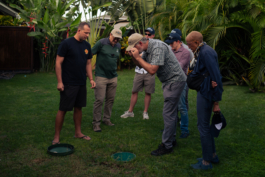
The challenges to water and sanitation (WASH) infrastructure in the most rural communities are effectively captured by the metaphor of "island communities." Physical islands inherently face difficulties because their isolation from material and construction hubs drives up costs for imported inputs and reduces the availability of expert human capital. Isolated mainland communities, such as marginalized rural areas in the United States, share these critical resource constraints, often lacking the population or funds to support standard solutions like centralized wastewater treatment or functional decentralized wastewater systems. This inadequacy results in unsafe sewage disposal practices, such as the use of cesspools in Hawai'i or straight piping of raw waste in the Black Belt of Alabama due to unsuitable soil.Â
Redefining wastewater treatment through decentralized, intelligent, and sustainable design.
Honu Hub introduces an adaptive decentralized wastewater infrastructure system (ADWIS) serving small residential and decentralized cluster applications. Its bioinspired design and advanced membrane filtration enable safe on-site water recycling. Leveraging automation, remote monitoring, and machine learning, Honu Hub ensures reliable and efficient operation across distributed systems. Fully energy independent, it operates off-grid using solar or other renewable sources, promoting a localized, circular approach to water management.
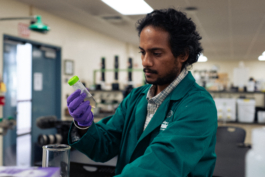
Nitrogen Removal
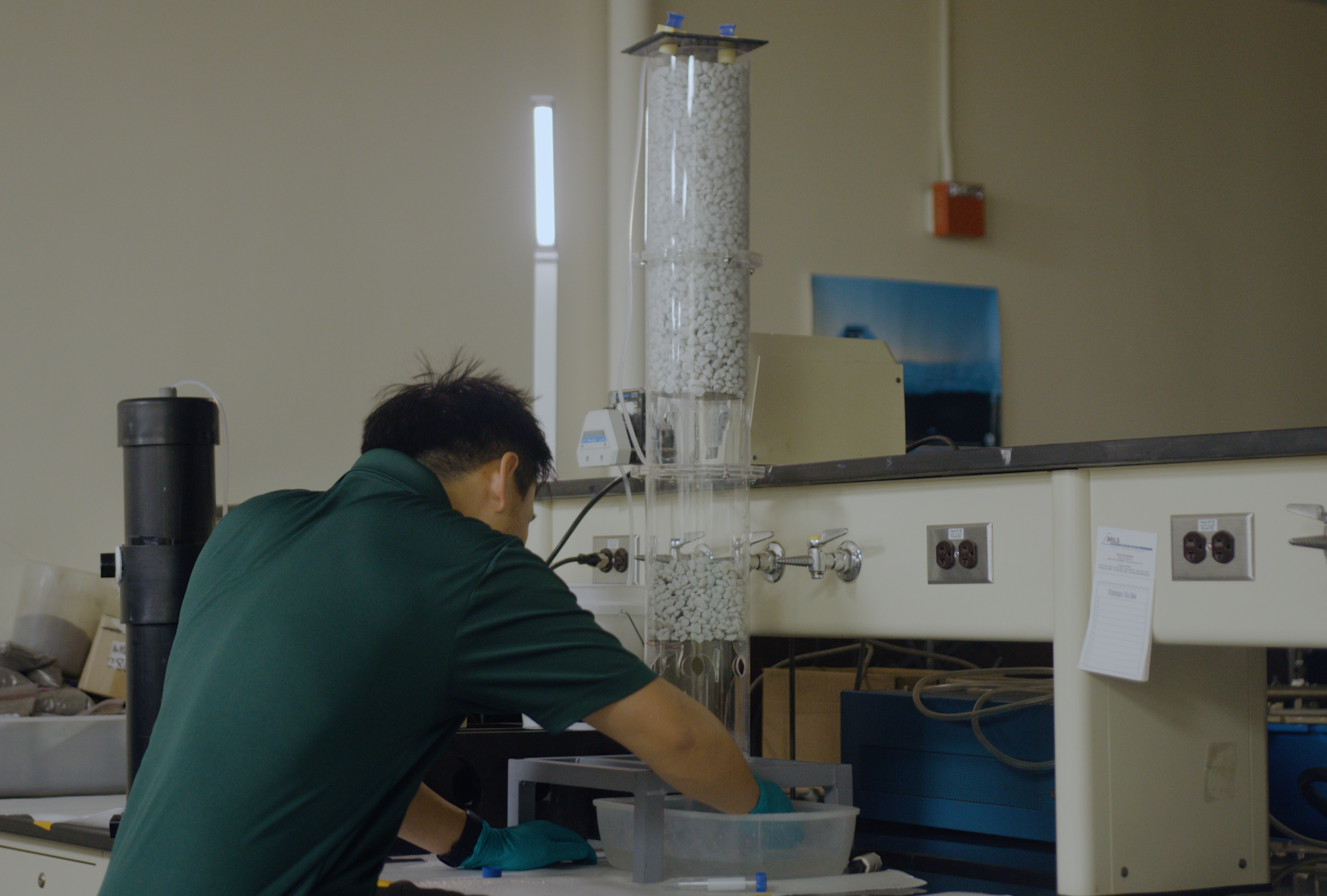
Water Recycling
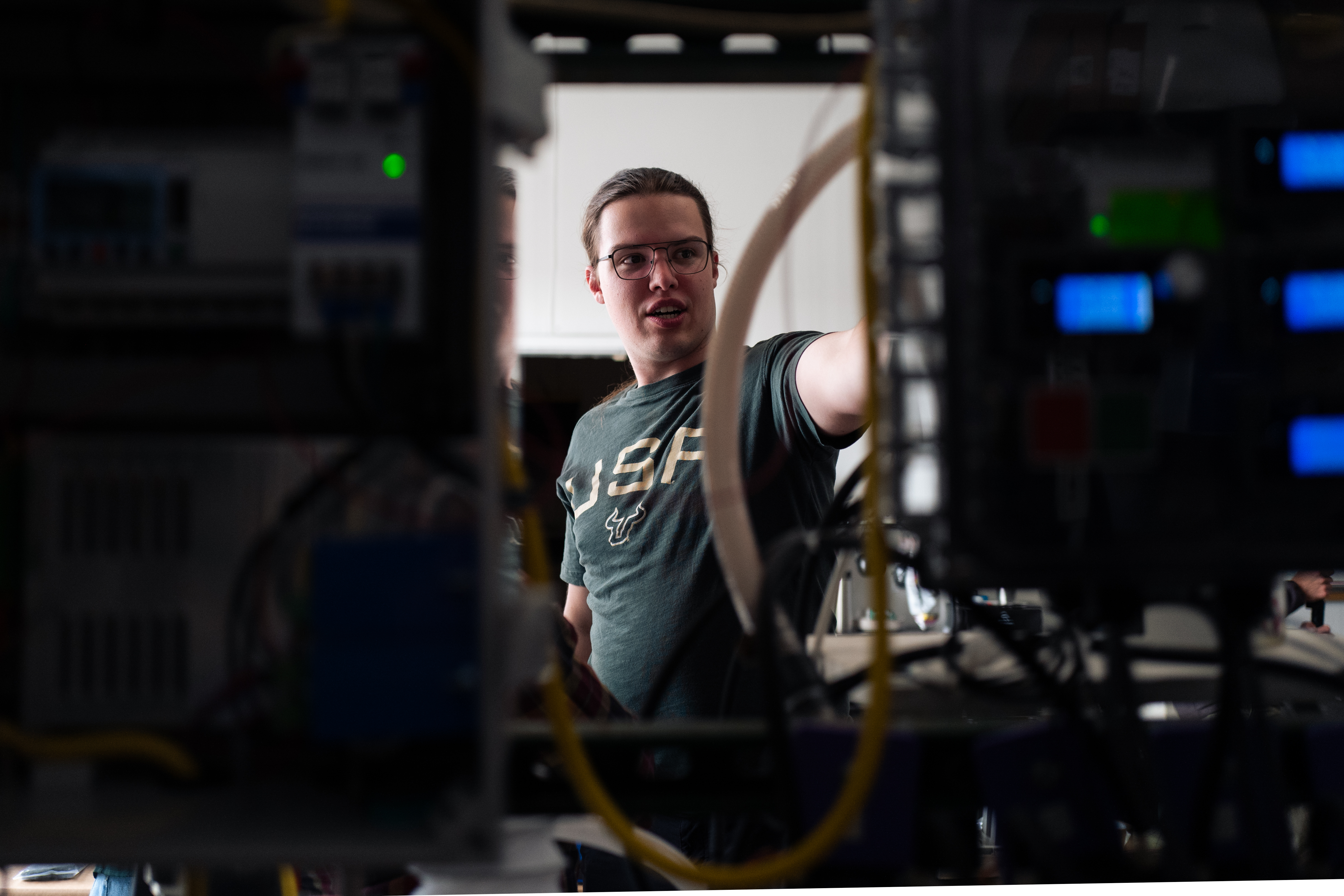
Automation & Remote Monitoring
Energy Independence
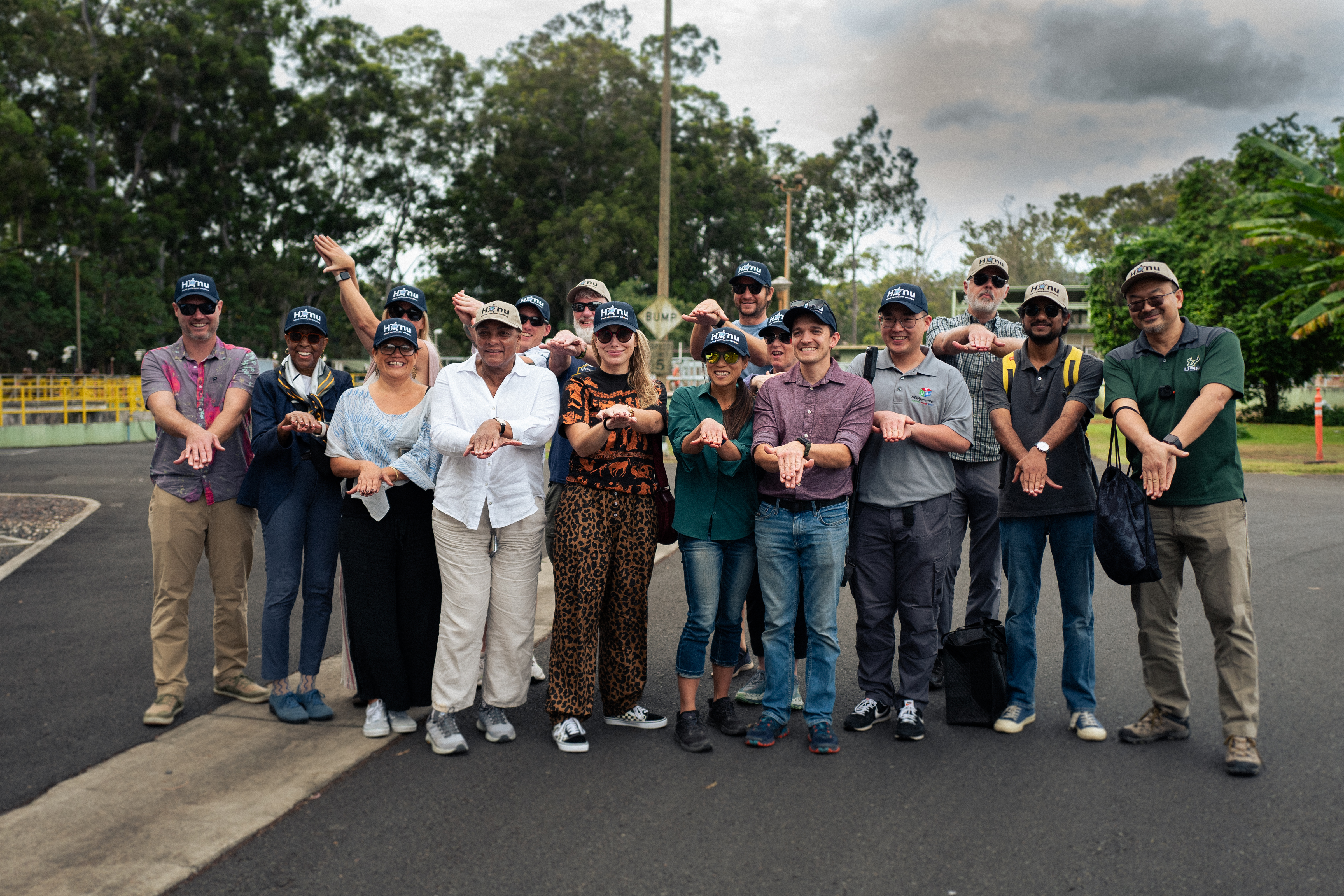
Honu is an interdisciplinary research group formed by leading academics at the University of South Florida and the University of Hawaii as well as environmental innovators from Swiftwater Solutions (SWS) and Water Alternatives & Innovations (WAI).

Honu is part of the National Science Foundation Convergence Accelerator Program.





Brian Baumgaertel
Wastewater Division Director of Barnstable County, Director of Massachusetts Alternative Septic System Test Center (MASSTC)
Ted Bohlen
Retired Deputy Attorney General for the State’s Department of Health and the founder of the Hawaii Reef and Ocean Coalition
Paula Kehoe
Director of Water Resources of the San Francisco Public Utilities Commission (SFPUC)
Sherry Bradley
Executive Director of the Black Belt Unincorporated Wastewater Program (BBUWP) Alabama
Mark Elliot
Professor in the Department of Civil, Construction and Environmental Engineering at the University of Alabama
Kim Falinski
Coast Water Quality Strategy Lead for The Nature Conservancy


Brian Baumgaertel
Wastewater Division Director of Barnstable County, Director of Massachusetts Alternative Septic System Test Center (MASSTC)
Ted Bohlen
Retired Deputy Attorney General for the State’s Department of Health and the founder of the Hawaii Reef and Ocean Coalition
Sherry Bradley
Executive Director of the Black Belt Unincorporated Wastewater Program (BBUWP) Alabama
Mark Elliot
Professor in the Department of Civil, Construction and Environmental Engineering at the University of Alabama
Kim Falinski
Coast Water Quality Strategy Lead for The Nature Conservancy
Paula Kehoe
Director of Water Resources of the San Francisco Public Utilities Commission (SFPUC)


Brian Baumgaertel
Wastewater Division Director of Barnstable County, Director of Massachusetts Alternative Septic System Test Center (MASSTC)
Ted Bohlen
Retired Deputy Attorney General for the State’s Department of Health and the founder of the Hawaii Reef and Ocean Coalition
Sherry Bradley
Executive Director of the Black Belt Unincorporated Wastewater Program (BBUWP) Alabama
Mark Elliot
Professor in the Department of Civil, Construction and Environmental Engineering at the University of Alabama
Kim Falinski
Coast Water Quality Strategy Lead for The Nature Conservancy
Paula Kehoe
Director of Water Resources of the San Francisco Public Utilities Commission (SFPUC)


Brian Baumgaertel
Wastewater Division Director of Barnstable County, Director of Massachusetts Alternative Septic System Test Center (MASSTC)
Ted Bohlen
Retired Deputy Attorney General for the State’s Department of Health and the founder of the Hawaii Reef and Ocean Coalition
Sherry Bradley
Executive Director of the Black Belt Unincorporated Wastewater Program (BBUWP) Alabama
Mark Elliot
Professor in the Department of Civil, Construction and Environmental Engineering at the University of Alabama
Kim Falinski
Coast Water Quality Strategy Lead for The Nature Conservancy
Paula Kehoe
Director of Water Resources of the San Francisco Public Utilities Commission (SFPUC)


Honu protects island water resources through effective and affordable decentralized wastewater systems that are climate resilient. Our bio-inspired technologies remove nitrogen and recycle water for onsite reuse, while our integrated services incorporate remote monitoring with machine learning.

25%
U.S. Population
31M Households
In low density and rural areas, centralized sewage systems are often expensive to install and maintain. In fact, about 25% of Americans, or 31 million households, rely on onsite systems, like septic, for sanitation. Many onsite systems have limited capabilities and can easily fail, resulting in contamination of aquifers and coastlines.

Wastewater management on islands is challenging due to high costs and infrastructure vulnerability associated with centralized systems, as well as geological constraints that limit the effectiveness of standard onsite septic systems. Consequently, US Pacific islands frequently rely on cesspools, a primitive form of onsite waste management that offers no treatment. This inadequate infrastructure, exemplified by over 83,000 cesspools in Hawaiʻi, is a persistent source of hazard. Cesspools contaminate aquifers and coastal environments, leading to the loading of nutrients and pathogens that damage fragile ecosystems like coral reefs. In short, the prevailing onsite wastewater infrastructure is grossly inadequate, threatening water supplies, marine ecosystems, and disproportionately affecting frontline communities.

Centralized wastewater systems are expensive to install and operate, with aging, inflexible underground infrastructure that is ill-suited to rapidly changing conditions and population growth. Similarly, conventional onsite systems, such as septic tanks, offer limited performance and have rigid requirements concerning lot size, soil conditions, and topography. Given the shortcomings of both centralized and conventional onsite systems, there is a clear need for a new class of advanced decentralized technologies to address sanitation challenges, especially in island communities. These required technologies must be flexible and adaptive to meet both present and future needs. This new class of solutions, referred to as Adaptive Decentralized Wastewater Infrastructure Solutions (ADWIS), could provide service to a group of homes through a micro-cluster approach, similar to energy microgrids.

The challenges to water and sanitation (WASH) infrastructure in the most rural communities are effectively captured by the metaphor of "island communities." Physical islands inherently face difficulties because their isolation from material and construction hubs drives up costs for imported inputs and reduces the availability of expert human capital. Isolated mainland communities, such as marginalized rural areas in the United States, share these critical resource constraints, often lacking the population or funds to support standard solutions like centralized wastewater treatment or functional decentralized wastewater systems. This inadequacy results in unsafe sewage disposal practices, such as the use of cesspools in Hawai'i or straight piping of raw waste in the Black Belt of Alabama due to unsuitable soil.Â

Redefining wastewater treatment through decentralized, intelligent, and sustainable design.
Honu Hub introduces an adaptive decentralized wastewater infrastructure system (ADWIS) serving small residential and decentralized cluster applications. Its bioinspired design and advanced membrane filtration enable safe on-site water recycling. Leveraging automation, remote monitoring, and machine learning, Honu Hub ensures reliable and efficient operation across distributed systems. Fully energy independent, it operates off-grid using solar or other renewable sources, promoting a localized, circular approach to water management.

Nitrogen Removal

Water Recycling

Automation & Remote Monitoring

Energy Independence
Honu is an interdisciplinary research group formed by leading academics at the University of South Florida and the University of Hawaii as well as environmental innovators from Swiftwater Solutions (SWS) and Water Alternatives & Innovations (WAI).



Brian Baumgaertel
Wastewater Division Director of Barnstable County, Director of Massachusetts Alternative Septic System Test Center (MASSTC)
Ted Bohlen
Retired Deputy Attorney General for the State’s Department of Health and the founder of the Hawaii Reef and Ocean Coalition
Paula Kehoe
Director of Water Resources of the San Francisco Public Utilities Commission (SFPUC)
Sherry Bradley
Executive Director of the Black Belt Unincorporated Wastewater Program (BBUWP) Alabama
Mark Elliot
Professor in the Department of Civil, Construction and Environmental Engineering at the University of Alabama
Kim Falinski
Coast Water Quality Strategy Lead for The Nature Conservancy


Brian Baumgaertel
Wastewater Division Director of Barnstable County, Director of Massachusetts Alternative Septic System Test Center (MASSTC)
Ted Bohlen
Retired Deputy Attorney General for the State’s Department of Health and the founder of the Hawaii Reef and Ocean Coalition
Sherry Bradley
Executive Director of the Black Belt Unincorporated Wastewater Program (BBUWP) Alabama
Mark Elliot
Professor in the Department of Civil, Construction and Environmental Engineering at the University of Alabama
Kim Falinski
Coast Water Quality Strategy Lead for The Nature Conservancy
Paula Kehoe
Director of Water Resources of the San Francisco Public Utilities Commission (SFPUC)


Brian Baumgaertel
Wastewater Division Director of Barnstable County, Director of Massachusetts Alternative Septic System Test Center (MASSTC)
Ted Bohlen
Retired Deputy Attorney General for the State’s Department of Health and the founder of the Hawaii Reef and Ocean Coalition
Sherry Bradley
Executive Director of the Black Belt Unincorporated Wastewater Program (BBUWP) Alabama
Mark Elliot
Professor in the Department of Civil, Construction and Environmental Engineering at the University of Alabama
Kim Falinski
Coast Water Quality Strategy Lead for The Nature Conservancy
Paula Kehoe
Director of Water Resources of the San Francisco Public Utilities Commission (SFPUC)


Brian Baumgaertel
Wastewater Division Director of Barnstable County, Director of Massachusetts Alternative Septic System Test Center (MASSTC)
Ted Bohlen
Retired Deputy Attorney General for the State’s Department of Health and the founder of the Hawaii Reef and Ocean Coalition
Sherry Bradley
Executive Director of the Black Belt Unincorporated Wastewater Program (BBUWP) Alabama
Mark Elliot
Professor in the Department of Civil, Construction and Environmental Engineering at the University of Alabama
Kim Falinski
Coast Water Quality Strategy Lead for The Nature Conservancy
Paula Kehoe
Director of Water Resources of the San Francisco Public Utilities Commission (SFPUC)

©Honu, all rights reserved.  Website by Studio Christian Vukomanovic
Stay up to date on news, technology and reports
Sign up with your email and receive our newsletter. You can find information on the sending via the provider Kit. You can unsubscribe at any time.
Stay up to date on news, technology and reports
Sign up with your email and receive our newsletter. You can find information on the sending via the provider Kit. You can unsubscribe at any time.
©Honu, all rights reserved.  Website by Studio Christian Vukomanovic